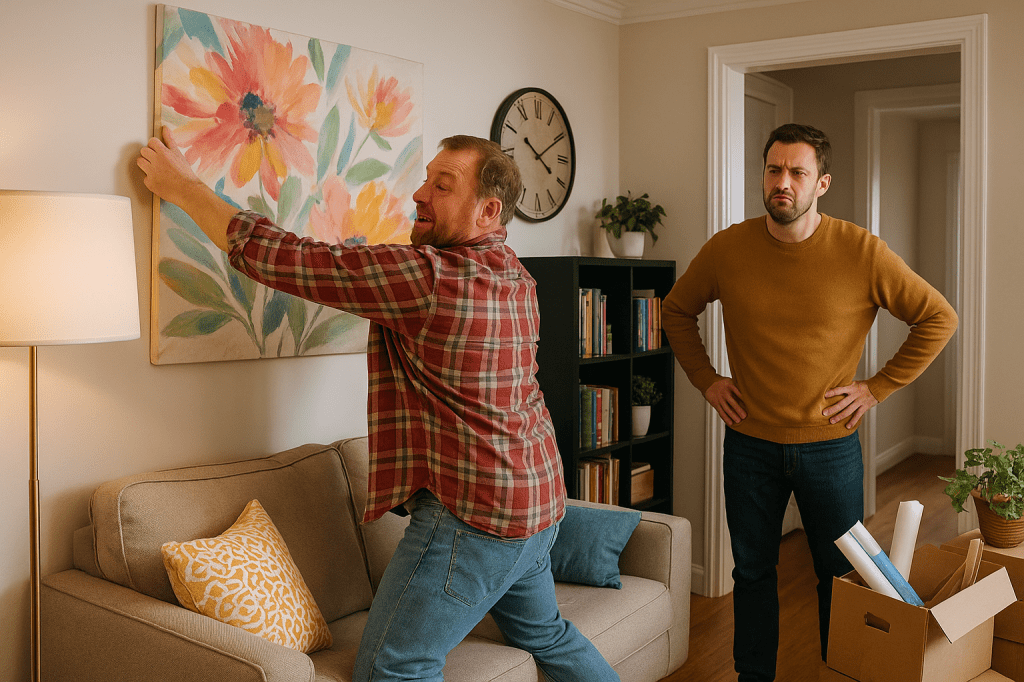
Emotional Access is an invitation not an entitlement.
By Rick Roberts Architect of Transformation
Welcome to The House of Vulnerability, where every room represents a layer of intimacy, and not everybody needs to be in your bedroom going through your personal things, especially not with muddy boots and opinions you didn’t ask for.
This ain’t just a boundary thing.
This is about emotional architecture.
And trust me once you understand how the house works, your whole relational life is gonna feel less chaotic, more peaceful, and a lot more respectful.
WHY MOST VULNERABILITY ADVICE FALLS FLAT
Let’s be honest vulnerability has become that word folks like to throw around like glitter at a youth retreat.
“Be vulnerable!”
“Open up!”
“Share your truth!”
Cool. But… with who? About what? And at what cost?
Too many people are being told to “be brave and vulnerable” without being taught how to navigate emotional space.
Because here’s the deal:
Vulnerability is not dumping your diary on every coworker.
It’s not sharing your trauma in a team huddle.
It’s about knowing who gets access to what rooms in your inner home, and when.
ENTER THE AMBASSADOR
When we first meet people, we send out the ambassador version of ourselves.
Polished. Poised. Slightly more polite than normal.
They offer a handshake, a “lovely weather we’re having,” and maybe if you’re lucky a carefully curated anecdote about their weekend.
They’re not fake they’re professional.
They’re you, with a blazer on.
And vulnerability?
That’s the process of deciding whether someone moves from chatting in your driveway…
to being invited in to see where you actually live.
THE ROOMS OF EMOTIONAL ACCESS
Let’s break it down.
1. The Fence Public Perimeter
They see you from the sidewalk and wave.
They know your name from the letter box. You may know them as Mr Combover.
This is your “Hey there!” energy.
You’re polite, composed.
You’re not sharing your dreams or drama here. Just weather updates and nods of mutual survival.
2. The Entryway Surface-Level Interactions
This is where your Amazon packages and awkward coworkers land.
Small talk. Surface-level.
They get a glimpse, but that door doesn’t stay open long. You’re holding it with your foot.
It’s safe. Controlled. Efficient.
3. The Living Room Social Space
Here, you host. You joke. You drop one or two slightly personal things to feel authentic.
It’s curated comfort. The “Instagram clean” version of yourself.
They’re comfortable but they’re not seeing the real mess.
4. The Kitchen Warmth and Shared Struggle
Now it’s getting real.
This is where you vent about your boss, share your parenting flops, maybe confess over a cup of coffee.
You’re opening up, not just about your week but about your worries.
You serve your thoughts plated with seasoning and maybe a side of sarcasm.
You might even say something real. But you’re still choosing what comes out the fridge and what stays marinating.
You’re letting people see your process, not just your personality.
5. The Study Shared Understanding and Perspective
Welcome to the study. It’s an intellectual intimacy, not just emotion. This ain’t a debate hall—it’s where you keep your mental archives, your “aha” moments, your sacred maybes. The study is where someone gets to hear how you think—not just what you believe, but why.
When you let someone in here, you’re saying, “Here’s how I’ve been piecing life together. You don’t have to agree, but please don’t knock over the shelves.”
Because if someone storms in, disrespects the space, and treats your carefully collected understanding like junk mail? That’s not critique—that’s carnage. And once someone messes up your study, they rarely get the invite again.
6. The Guest Room Curated Intimacy
The guest room is for those you trust enough to let in, even if they’re not part of your daily rhythm. Sometimes it’s the best friend. Other times? It’s your therapist, your mentor, or your cousin from outta town who randomly knows how to hold space better than anyone else in your zip code.
Here’s the twist: sometimes they set the boundaries. Because they’re not tangled in your daily mess, they can walk in, close the door, and create a container of safety on your turf. It’s still your house, but they have your permission to influence access for that room and you’re actually relieved they do. It’s intimacy with investment. Healing through trust and purpose.
7. The Bedroom Deep Personal Access
This is where the real you sleeps, weeps, dreams, spirals, heals.
It’s where you try things on before you bring them out to the world.
Where you style your soul and stare at the ceiling wondering if you’re doing okay.
It’s sacred. And not everyone belongs here.
If they enter uninvited, it doesn’t feel intimate it feels invasive.
8. The En Suite Inner Sanctuary
You don’t ask to use someone’s en suite.
You don’t just walk in while they’re brushing their emotional teeth in a towel of trauma.
This is the most private part of the home.
And if someone enters here uninvited?
It ain’t deep connection it’s a crime scene.
This is where you weigh yourself and cleanse your soul.
Because this is the space where you process your identity in silence, whilst truly seeing yourself in the mirror.”
WHY VULNERABILITY SOMETIMES FEELS DANGEROUS
Because it is if the access isn’t earned.
You don’t get bedroom access just because your family.
You don’t get en suite privilege just because you’ve been to dinner twice.
And most of all you don’t get a key to the house just because you were in the bedroom once.
Vulnerability requires three things:
The right timing
A safe place
And a person who makes you feel seen, not exposed
No alignment? No access. Period.
How to Know If You’ve Crossed a Line
You might’ve thought you were helping. But if the vibe shifts? If they get quiet, stiff, or distant?
Check yourself:
Did I assume I had access to this level of intimacy? Did I knock, or did I just bust in like Dan the Bulldozer?
Here’s how you walk it back:
“Hey, I might’ve stepped in too far. What’s most helpful for you right now—me listening, or giving space?”
Meet the Houseguests
Jimmy the Lovable Doofus
Jimmy didn’t mean to wander into your en suite asking “What’s this prescription for?”
He started in the living room, needed the bathroom, and boom—now he’s knee-deep in your emotional sock drawer.
Bless his heart. He just needs redirection.
Dan the Bulldozer
Dan doesn’t knock. He advises. Loudly.
He’s got muddy boots and a podcast episode for every problem you didn’t ask him to solve.
Boundaries are mandatory with Dan. Or else you’ll be hosting a TED Talk in your trauma closet without consent.
Susan the Soul Whisperer
Susan asks if she should take her shoes off.
She brings snacks, texts before she shows up, and leaves at a decent hour.
When Susan’s in your bedroom, you don’t feel exposed you feel seen.
Be more like Susan.
Key to Vulnerability: It’s Not Just About the Room It’s About the Moment
Just because you had bedroom access once doesn’t mean you get a spare key.
Vulnerability is a moment-by-moment decision.
It depends on the timing. The topic. The person. The emotional weather report.
You might be the go-to for parenting talks, but not relationships. You might be welcome in the kitchen, but not the en suite.
Don’t take it personally. Take it with humility.
Why This Matters
Because too many of us are trying to do surgery in someone’s soul with muddy shoes and unsolicited advice.
We’re told to “be more vulnerable,” but nobody teaches us how to steward someone’s vulnerability when they give it to us.
This framework? It’s not about access for access’s sake.
It’s about relational respect.
Being trusted with someone’s truth is sacred.
And if you don’t know where you are in their house?
Pause.
Look around.
Ask.
Then move like it’s holy ground.
 Rick Roberts Life The Blog
Leave a comment